
Jamie Gould, CMCA, AMS
HOA Management Consultant & Co-Chair of the LSC for CAI-OC
Real talk? Homeowner Associations don’t have the best reputation. Advocating on behalf of them can be like propping up a state tax; it’s a tough sell, to say the least.
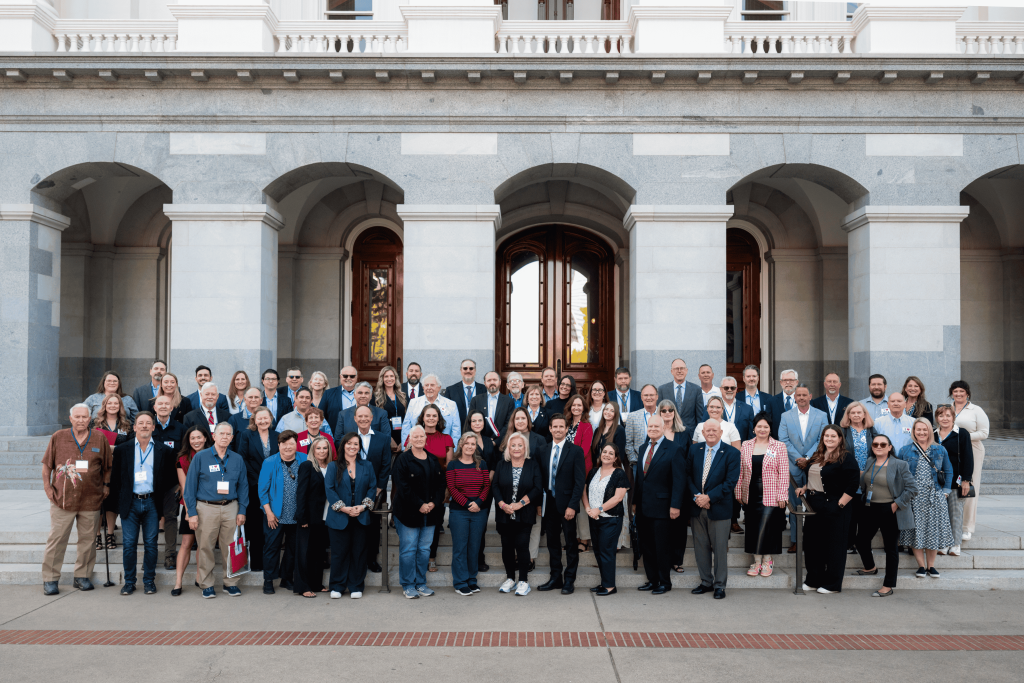
Legislators in California answer to a broad constituent base that is hyper focused on affordable living. The average California homeowner is far less likely to care about funding their HOA’s reserves while they are worried about how much it costs to hire someone to mow their front lawn. But those of us working in the common interest development (“CID”) industry on a daily basis understand how bad laws negatively impact not only the communities we manage but the volunteers who serve on the board of directors and the homeowners who pay their monthly assessments. That is why it is of such crucial importance that we, as an industry, show up in Sacramento to advocate either for or against proposed legislation that impacts CID’s, and that is exactly what CAI-CLAC aims to do every year through Advocacy Days: assemble a small army of professionals and volunteers who understand what is at stake, and attempt to make a difference.
I attended Advocacy Days this year for the first time, and was honored and excited to be accepted as the recipient of the Advocacy Days 2026 Scholarship Award to attend as their guest. It is one thing to serve on the Legislative Support Committee, which I have for many years in the Orange County Chapter of CAI, helping raise money to support state advocacy efforts — but it really is a level up to get on a plane with your good walking shoes and show up face-to-face with legislators, hoping to sound like you know what you’re talking about!
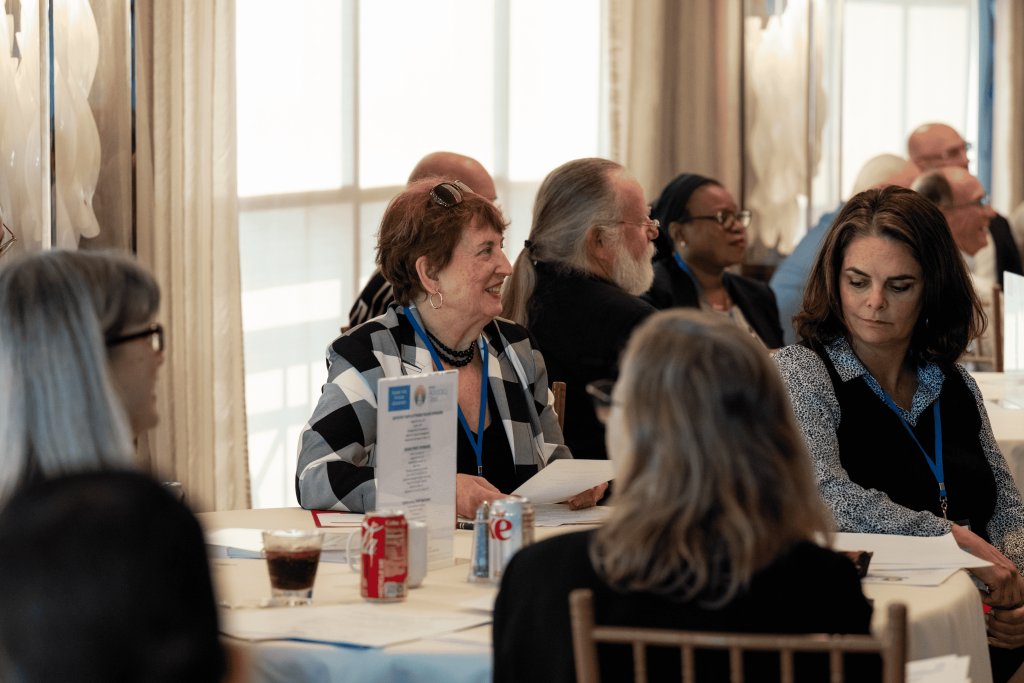
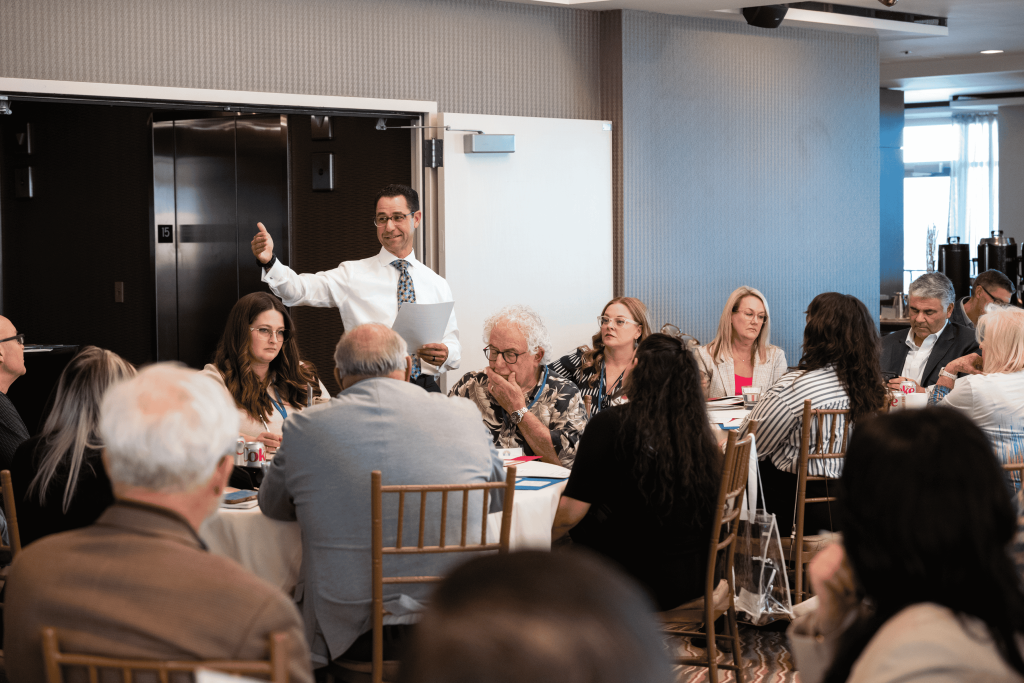
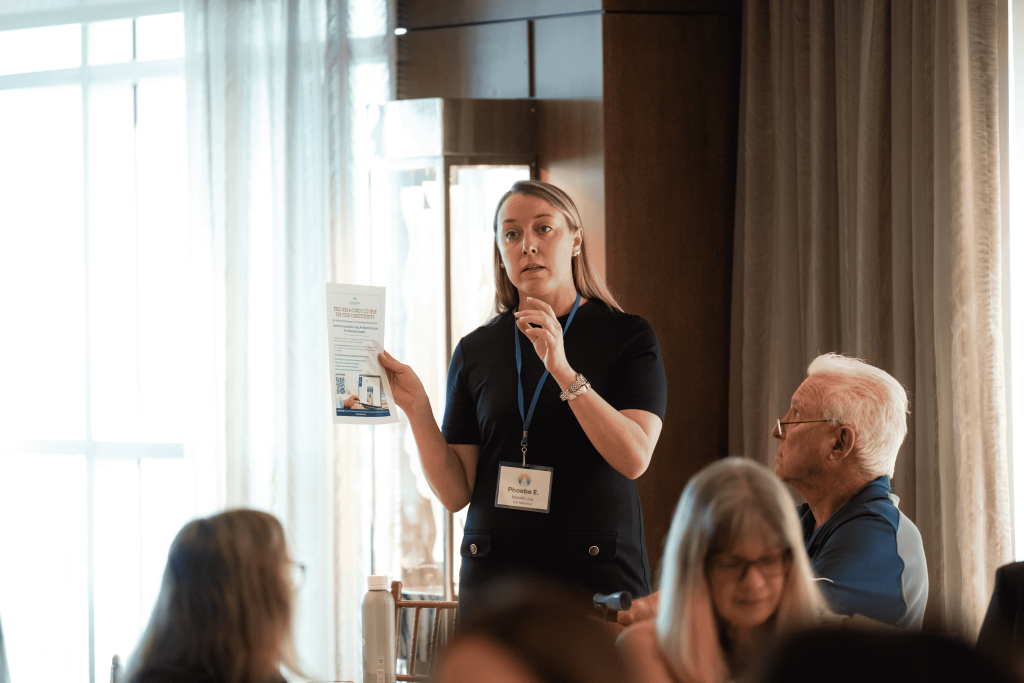
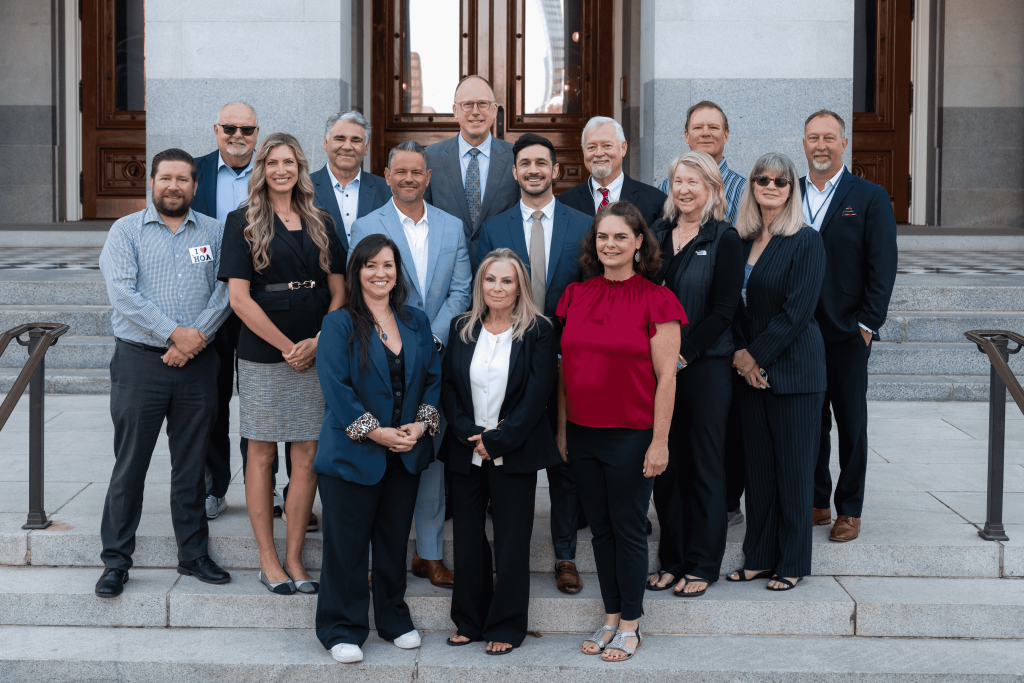
Fortunately, I need not worry about sounding informed or showing up prepared, because CAI-CLAC made every effort to equip its teams with just the right amount of information and collateral to get every attendee up to speed. All hundred or so of us were first assembled in a reception hall where we heard the important points behind each bill directly from CAI-CLAC Advocate, Louie Brown, who meets with lawmakers and speaks on behalf of CAI-CLAC on a regular basis. I was also very impressed with Phoebe Neseth, Esq., CAI Vice President, Government Relations, Public Affairs & Legal, who equipped attendees with context for the trends of legislation on a national scale and was well versed with pending California laws as well. There was opportunity to talk one-on-one with all attendees and do some networking as we assembled with our small groups and confirmed our robust meeting agenda for the following day at the Capitol.
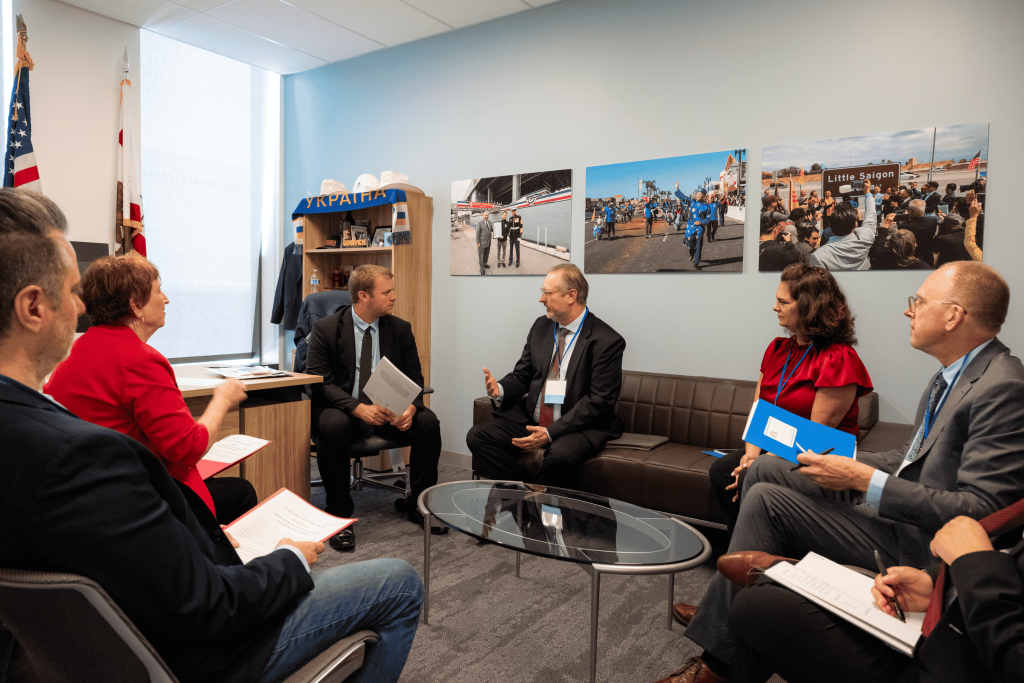
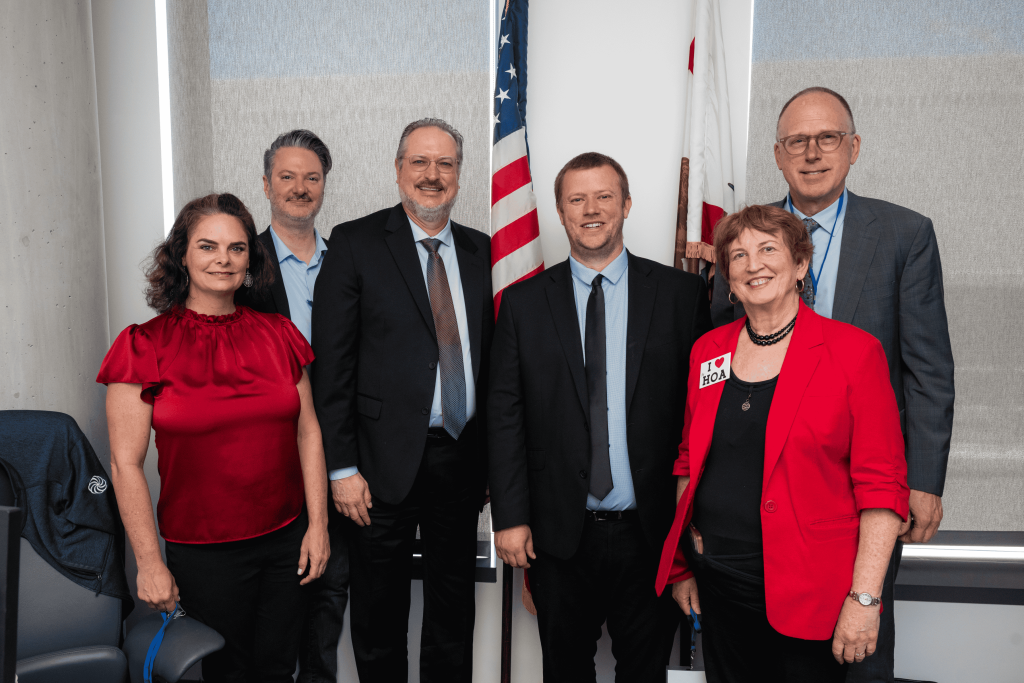
Each small group had appointments pre-set the following day, for 15-30 minute meetings in the office of either a state assemblymember, a state senator, or one of their key staffers. Louie had prepared us to expect very young staffers to be our listening ear — and he was spot on. But while many of them were fresh out of college, they were not uninformed or disinterested in what we had to share, and in many cases surprised us with their important questions and insights. My group had the good fortune of meeting with Assemblymember Diane Dixon’s office; as a former constituent I still receive her newsletter and have long admired her for the content and nature of her broadcast messaging. As luck would have it, she was between meetings and came out to say hello, as her bright and earnest staffer gave us his undivided attention and nods of understanding throughout our conversation.
I was one of five in my small group, and we quickly developed a productive cadence, with each person taking one of the five bills we were assigned to discuss. We passed the baton effectively from one meeting to the next, helped fill in the gaps for each other, and provided feedback to each other on our “pitch” as needed between meetings. By the end of the day, I felt that we had accomplished what we set out to do: leave these offices with a better understanding of each bill, make sure they know our position on each, and equip them with materials they can reference when it comes time to vote. Again, CAI-CLAC handled the last part, producing a summary of each bill and stating our unified position either for or against each bill in bold font. We were armed with just the right level of knowledge and materials to share, and every office expressed its gratitude for our visit.
Meetings concluded in the late afternoon, when we were all called to reconvene in the reception hall and provide a verbal report of our meetings. It was interesting to hear how the experience varied from one group to the next, with some offering some entertaining tales of strong opinions about our industry or underinformed audiences, but the nature of most was the same summary I would convey: they cared what we had to say, our message was received, and it was validating to put our passion and knowledge to use in this way.
My ultimate takeaway is that the work CAI-CLAC is doing is absolutely invaluable, and there is no other faction of our industry taking on these matters on our behalf. Anyone who cares about the way the Davis-Stirling Act impacts the work we do is urged to make a point of attending Advocacy Days, and to not stop there. Answer the calls to action when they come up, contact your legislators; give a voice to your communities with a real life understanding that if we do not, many or most won’t. Educate board members on the Buck-A-Door campaign and urge them to build the annual contribution into their budgets to help CAI-CLAC maintain its momentum.





If you haven’t already done so, we urge you to take a moment to sign up for CAI-CLAC email updates to stay informed. You can also follow us on LinkedIn, Facebook, X and YouTube for real-time updates on legislative news, resources, event updates, or legislative action. You can also continue to share your story on our Current Campaigns page.